A Practical Guide to Medical Marijuana Edibles: What Works and What to Watch For
After years of watching friends struggle with smoking or vaping for their chronic pain, I finally started looking into medical marijuana edibles as a more manageable option. The shift from inhalation to ingestion changes everything: the onset, the duration, and the overall experience. I have tried enough gummy bears and brownies to know that dosing edibles is not as simple as swallowing a pill. It takes some patience and a little science.
Medical marijuana edibles have become a staple for people who need long-lasting relief without the lung irritation that comes with smoking. The body processes cannabinoids differently when they go through the liver, which means the effects are stronger and last much longer. That is both the blessing and the curse. A friend once ate a cannabis brownie that hit her six hours later and left her dizzy until the next morning. That is the kind of story I hear often, and it is why I want to share what I have learned about choosing and using these products safely.
Why Edibles Are Different from Smoking or Vaping
When you smoke cannabis, the cannabinoids enter your bloodstream through your lungs and reach your brain within minutes. The effects peak quickly and fade within a couple of hours. Edibles, by contrast, go through your digestive system and liver, where the liver converts delta-9-THC into a more potent form called 11-hydroxy-THC. This metabolite is more psychoactive and sticks around longer. That is why a cannabis-infused snack can produce a stronger, more prolonged effect than smoking the same amount of flower.
For someone using cannabis for chronic conditions like arthritis, insomnia, or anxiety, that extended window can be a major advantage. You do not need to dose as often, and you avoid the respiratory issues that come with inhalation. But the trade-off is that you have to wait. Onset can take anywhere from thirty minutes to two hours, depending on your metabolism, what you have eaten, and the specific product. I have seen people eat a second portion because they felt nothing after forty minutes, only to regret it deeply an hour later.
Types of Edibles You Will Find
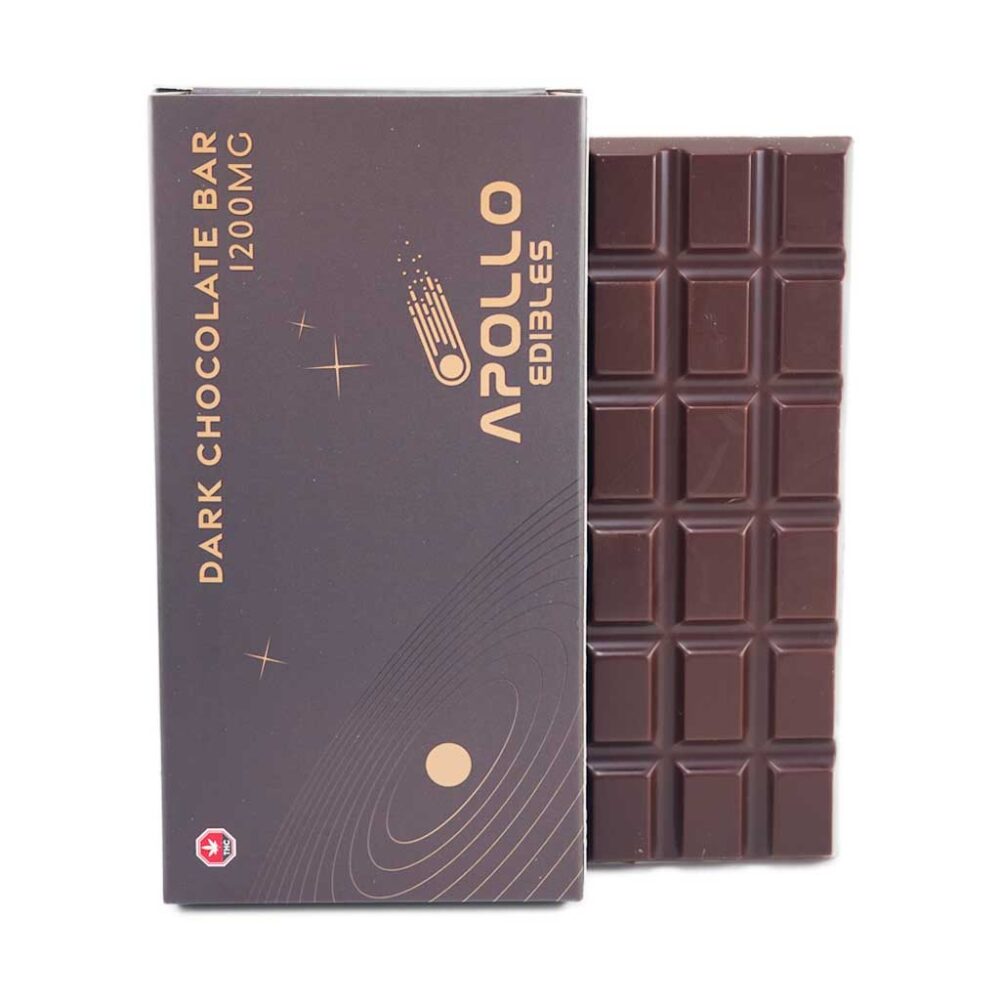
The variety on the market now is impressive. You can find cannabis chocolates, THC gummies, cannabis brownies, cannabis-infused baked goods, and cannabis fruit chews. Each type has its own texture, flavor, and absorption rate. Chocolate and baked goods often contain fat, which helps the body absorb cannabinoids. Gummies and fruit chews are usually lower in calories and more discreet, but they can take a little longer to kick in because they have less fat to aid absorption.
Brands have stepped up their game too. I have tried products from Kiva Confections, Binske, and Wyld, and each has a different approach. Kiva Confections makes mint- and chocolate-flavored lozenges that dissolve slowly, which gives a gentle onset. Binske focuses on craft chocolates with precise ratios of THC to CBD. Wyld is known for fruit chews that come in clear dosage increments. These edibles brands are popular in legal states, especially in places like Colorado cannabis edibles markets where regulation is strict and testing is standard.
Dosing: The Trickiest Part
The most common mistake people make with medical marijuana edibles is taking too much too soon. A cannabis dosage guide is essential reading before you start. Most products list the total milligrams of THC per package and per piece. A standard starting dose for someone with low tolerance is around 2.5 to 5 milligrams of THC. For comparison, a typical recreational edible might contain 10 milligrams or more per serving. If you are new to edibles, start low and wait at least two hours before considering more.
I keep a notebook where I log what I take, when I take it, and how I feel after. It sounds obsessive, but it has saved me from several bad experiences. The effects of cannabis can vary based on your body weight, metabolism, whether you have eaten, and even your mood that day. A cannabis extract or cannabis butter used in homemade recipes can be even harder to dose because you do not have a lab-tested label. That is where trust in regulated products matters most.
Key Factors That Affect Your Experience
- Your metabolism and body composition: People with faster metabolisms may feel effects sooner but for a shorter duration.
- What you have eaten: Fatty foods help absorption; an empty stomach can delay onset and make the effects feel more intense when they hit.
- The type of edible: Cannabis-infused baked goods and chocolates often hit faster than gummies because of the fat content.
I have also learned that cannabis tinctures offer a middle ground. They are liquid extracts that you place under your tongue, where they absorb into the bloodstream directly. Onset is faster than with food, usually within fifteen to thirty minutes, and you can control the dose drop by drop. Tinctures are not technically an edible in the traditional sense, but they serve a similar purpose for people who want precise control without smoking.
The Role of Regulation and Testing
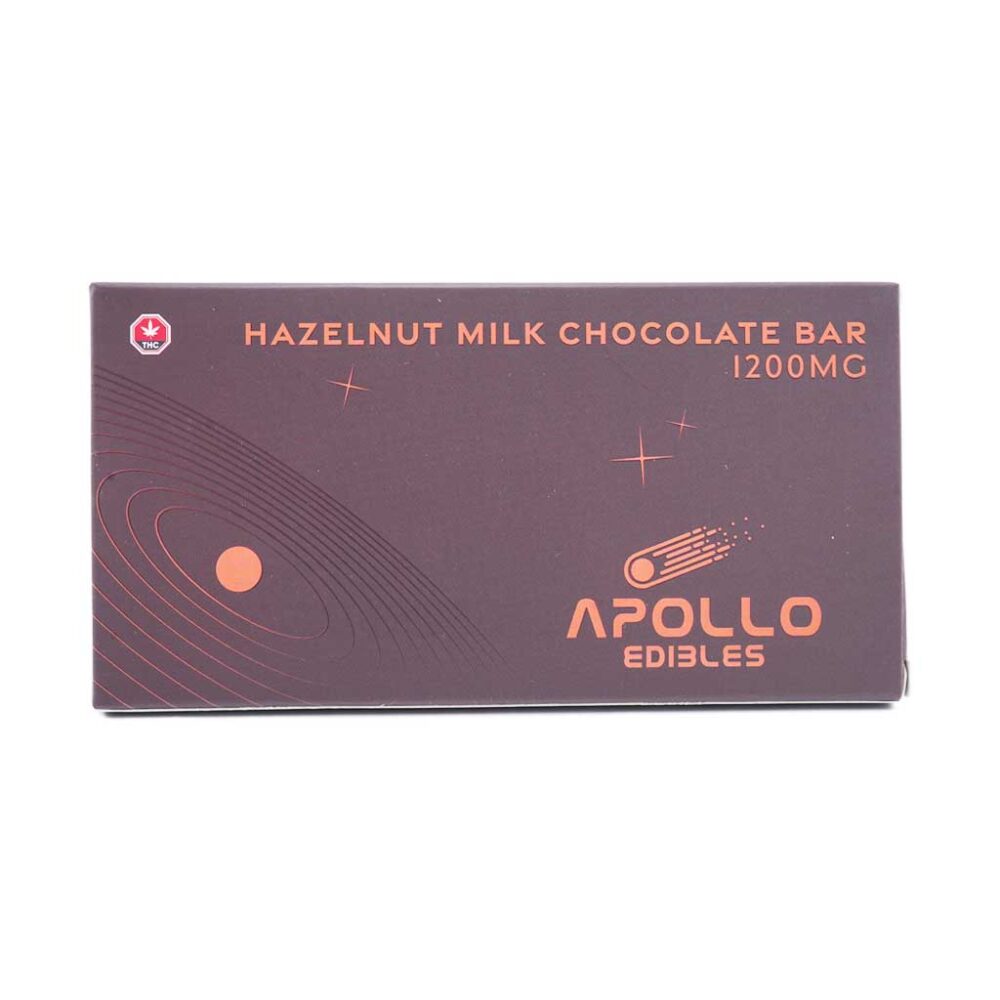
One of the biggest improvements in the industry over the past decade has been cannabis regulation. In legal markets like Colorado, products must undergo third-party testing for potency and contaminants. That means the label on a package of THC gummies actually matches what is inside. I have seen packages from the illicit market that claimed 100 milligrams per gummy but probably contained half that, or worse, contained mold or heavy metals. Legal regulation gives you a fighting chance to dose accurately.
That said, regulation is not uniform. Even within the same country, rules vary by state or province. Some places require child-resistant packaging, warning labels, and clear dosage information. Others have looser standards. When you buy from a licensed dispensary, you get the benefit of testing and accountability. When you buy from an unregulated source, you are gambling with your health.
Storing and Handling Edibles
Another detail that matters is storage. Cannabis-infused snacks and baked goods can degrade if exposed to heat, light, or air. I keep my cannabis chocolates and gummies in a cool, dark cabinet. I have had friends who left a bag of THC gummies in a hot car only to find a melted, sticky mess that had lost most of its potency. Proper storage preserves both the flavor and the effects. It also keeps them out of reach of children or pets, which is a serious safety concern given how appealing these products look.
If you are making your own cannabis recipes at home, the same rules apply. Use a reliable cannabis butter or cannabis extract, and measure carefully. Homemade brownies are notoriously hard to dose because the cannabinoids do not distribute evenly through the batter. I have eaten a corner piece that was weak and a center piece that knocked me out. Stirring thoroughly and using a consistent infusion method helps, but it is never as reliable as a professionally made product.
Finding What Works for You
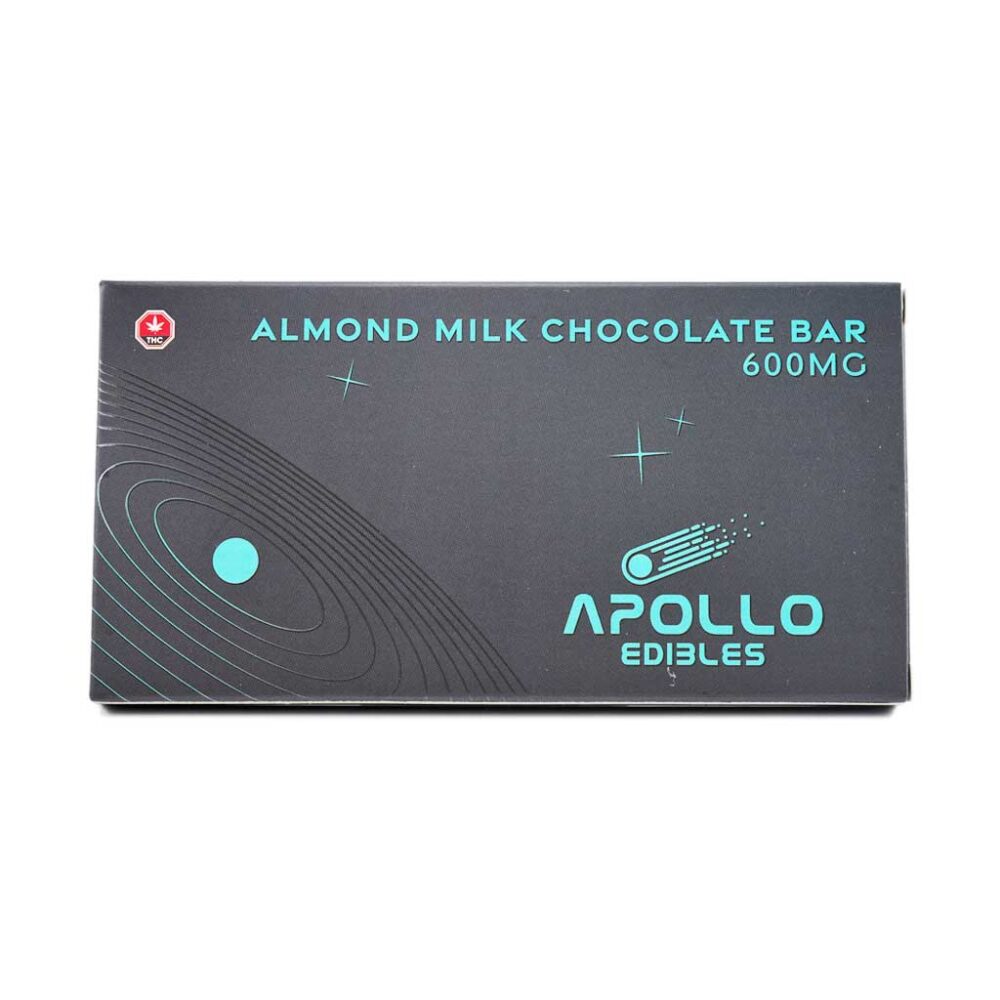
Everyone has a different sweet spot. Some people prefer the slow, steady release of a cannabis brownie. Others like the portability of cannabis fruit chews. I have shifted toward Wyld gummies because they come in 5-milligram increments, which lets me fine-tune my dose without cutting a larger piece. The variety of edibles brands now available means you can experiment until you find the texture, flavor, and dosage that fits your routine.
Medical marijuana edibles are not a one-size-fits-all solution. They require planning, patience, and respect for the potency. But for people who need sustained relief without smoke, they are one of the best options available. Start low, go slow, and pay attention to how your body responds. That approach has turned edibles from a source of anxiety into a reliable tool for me, and it can do the same for you.